Learn About Dandruff Treatment in Al Ain with advanced treatment options
Dandruff Treatment Solutions That Deliver: End Flakes and Itching
Dandruff represents a widespread yet frequently misconstrued condition that impacts numerous people. Its causes span across fungal infections to dry skin and stress. Viable therapeutic solutions exist, including targeted cleansers and organic treatments. However, understanding the root of the problem is crucial for effective control. As many pursue enduring answers, exploring various approaches can uncover productive tactics for comfort. What measures might you implement to obtain improved scalp health and diminish persistent flakes?
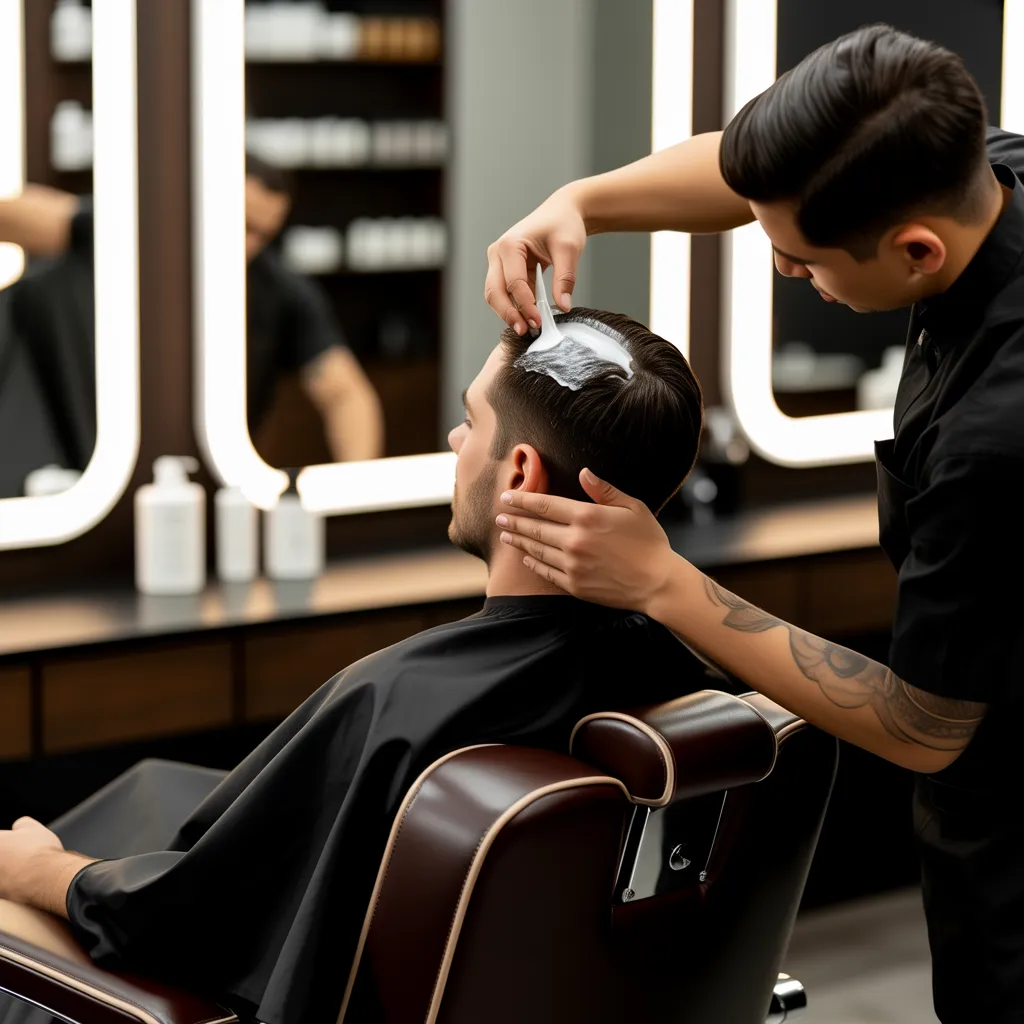
What Produces Flaky scalp issues?
Dandruff often stems from a complex blend of factors, including skin conditions, environmental influences, and individual health. One prevalent source is seborrheic dermatitis, a skin condition distinguished by red, greasy patches and flaky scales. This condition can intensify in response to stress, hormonal changes, or seasonal variations. Additionally, the expansion of a yeast-like fungus called Malassezia on the scalp may be responsible for dandruff formation.
Environmental elements, including dry air or too much humidity, can exacerbate symptoms. Poor hygiene and infrequent hair washing can allow shed skin to accumulate, raising visible flakes. Individual medical conditions, like allergies or nutritional deficits, may also be involved. Certain medical health issues, such as psoriasis or eczema, may cause heightened scalp irritation, adding complexity to the problem. Understanding these core causes is crucial for successful handling and treatment, setting the stage for targeted solutions.
The Best Dandruff-Fighting Shampoos to Test
Discovering an effective method for dandruff often begins with selecting the right shampoo. Many options are available, each formulated to address specific factors of dandruff. Shampoos featuring zinc pyrithione are preferred for their antimycotic properties, helping to minimize Malassezia yeast, a frequent cause in flaking. Salicylic acid shampoos help with exfoliating the scalp, successfully removing dead skin cells.
Another possibility is ketoconazole, an antifungal ingredient that fights severe dandruff and scalp conditions. Tea tree oil shampoos offer a natural alternative, known for their antimicrobial properties that calm irritation. Coal tar shampoos can also be advantageous, as they decrease skin cell turnover, reducing flaking.
When choosing an anti-dandruff shampoo, it is essential to evaluate personal scalp characteristics and preferences. Ongoing use of the selected product can deliver a marked improvement in flakes and itchiness, promoting a healthier scalp environment.
Proven Natural Methods to Eliminate Dandruff
Natural treatments for dandruff offer a variety of choices that may help alleviate symptoms effectively. Among these, tea tree oil is known for its antifungal qualities, while an apple cider vinegar rinse can regulate scalp pH. Additionally, coconut oil functions as a moisturizing agent that may reduce dryness and flakiness.
Tea Tree Oil Advantages
Among the various treatments for calming scalp irritations, tea tree oil is a potent ally against dandruff. This essential oil, extracted from the leaves of the Melaleuca alternifolia tree, has potent antifungal and antibacterial properties. These features make it helpful in fighting the yeast-like fungus Malassezia, which is commonly linked to dandruff. Regular treatment of tea tree oil can lessen inflammation and ease itching, bringing relief from discomfort. Moreover, its natural astringent properties help regulate oil production on the scalp, supporting a healthier environment for hair growth. Adding tea tree oil into hair care routines, via shampoos or diluted formulations, can significantly improve dandruff symptoms, causing a healthier, flake-free scalp.
Apple Cider Vinegar Wash
Tea tree oil stands as one of many effective methods for dandruff, while apple cider vinegar (ACV) gains recognition as a common option. With its well-known antifungal and antibacterial properties, ACV works to adjust the scalp's pH levels, making the environment less hospitable for fungi that cause dandruff. Its natural acidic content also aids in removing product buildup and surplus oils, which fosters a healthier scalp environment. To apply, thin ACV with water and use it post-shampooing, letting it remain for several minutes before rinsing out. Consistent use may produce noticeable improvements in scalp condition and decrease flakes. Adding ACV into your hair care routine offers a holistic, helpful solution for dandruff issues.
Coconut Oil Employment
When trying to find effective dandruff treatments, coconut oil acts as a strong ally due to its moisturizing and antifungal effects. This natural oil not only hydrates the scalp but also combats the Malassezia fungus, a frequent cause of dandruff. Regular use can lessen irritation and combat flakiness, making it a preferred option for those dealing with dryness. For effective use, individuals should warm a small quantity of coconut oil and gently massage it into the scalp, allowing it to absorb for at least 30 minutes before washing it out. Incorporating this treatment into a weekly routine can improve scalp health and deliver lasting relief from dandruff symptoms, encouraging a balanced and nourished scalp environment.
Ways for Managing Stress
A well-rounded diet creates the basis for healthy skin and scalp, but stress management techniques can help enhance dandruff control. Ongoing stress commonly exacerbates skin conditions like dandruff by leading to hormonal imbalances and elevated oil production. Mindfulness meditation, frequent physical activity, and deep breathing can aid in lowering stress levels. Creating a regular sleep schedule helps maintain general health, allowing the body to heal itself, scalp included. Also, participating in hobbies and social gatherings can offer additional information mental respite, promoting emotional balance. By incorporating these stress management strategies, individuals may experience a significant reduction in dandruff recurrence, leading to improved scalp health and comfort.
Determining The Right Time to Consult a Dermatologist about Scalp Flakes
At what point should one decide the best time to seek professional assistance for dandruff? Recognizing when non-prescription treatments fail to help is important. If dandruff persists after continued use of specialized shampoos for several weeks, consulting a dermatologist might be warranted. Furthermore, people should seek professional help if they experience strong itching, redness, or scalp inflammation, as these signs could indicate a more serious condition like seborrheic dermatitis or psoriasis. Alterations in hair condition, such as significant hair loss or scalp sensitivity, also signal the need for expert care. Additionally, if dandruff comes with discomfort that affects daily living, prompt action is crucial. Dermatologists can offer tailored treatments and identify potential allergens or irritants involved in the problem, ensuring a more effective way to manage dandruff properly.
Guidelines for Preserving a Well-Balanced Scalp
Maintaining a healthy scalp is important for overall hair health and can greatly reduce the likelihood of dandruff. Regular cleansing with a gentle shampoo helps remove excess oil and product buildup, creating an ideal environment for hair follicles. Refraining from harsh chemicals and sulfates is advised, as they tend to irritate the scalp and intensify dryness. Incorporating a balanced diet rich in vitamins and minerals, particularly omega-3 fatty acids and zinc, supports scalp health from within. Staying hydrated is equally important; drinking enough water keeps the scalp moisturized. Furthermore, gentle scalp massages boost blood circulation, aiding healthy hair growth. Cutting down on heat styling and guarding the scalp against environmental stressors, including sun exposure, support a healthier scalp. Finally, maintaining a consistent hair care routine tailored to individual scalp needs can help prevent dandruff while enhancing overall hair health.
Standard Incorrect Notions About Dandruff Addressed
What misconceptions surround dandruff? Many people believe that dandruff is solely caused by poor hygiene; however, this is incorrect. While infrequent washing can exacerbate the issue, dandruff often stems from a yeast-like fungus called Malassezia, which thrives on scalp oils. Another myth indicates that dandruff is only a winter problem; in reality, it can occur year-round, influenced by factors like stress, diet, and skin conditions. Additionally, some assume that dandruff is exclusively linked to dry skin, when in fact, it can also result from oily scalp conditions or seborrheic dermatitis. Finally, a common belief is that dandruff is transmissible; this is false, as it is not spread from person to person. Understanding these myths is essential for effective treatment and management of dandruff, allowing individuals to approach their scalp health with informed strategies rather than misconceptions.
Frequently Common Questions
Can Anxiety Exacerbate Dandruff Signs?
Yes, strain can exacerbate dandruff manifestations. It may provoke an inflammatory response in the scalp, causing increased flakiness and itchiness. Managing tension properly can assist in reducing these symptoms for some individuals.
Is Dandruff Communicable From One Person to Another?
Dandruff is not transmissible between other people. It develops from various factors, including dry skin and fungal growth, rather than an contagious organism. Consequently, sharing personal items does not typically spread dandruff to others.
How long Does Treatment Take to Show Results?
Treatment usually takes several weeks to show noticeable results. Individual responses may differ, but consistent application and selecting the right product are essential for effectively controlling and minimizing dandruff symptoms over time.
Can Your Diet Affect How Pronounced Dandruff Becomes?
Your eating habits can significantly affect dandruff intensity. Nutrient-rich foods that promote skin health, such as omega-3 fatty acids and vitamins, may help reduce inflammation and enhance scalp condition, potentially alleviating dandruff symptoms over time.
Which Hair Types Are Most At Risk for Scalp Flakes?
Particular hair types, particularly oily or curly hair, can be susceptible to dandruff. This is often because of increased sebum production or difficulty in distributing natural oils uniformly, intensifying scalp conditions that lead to flakes.